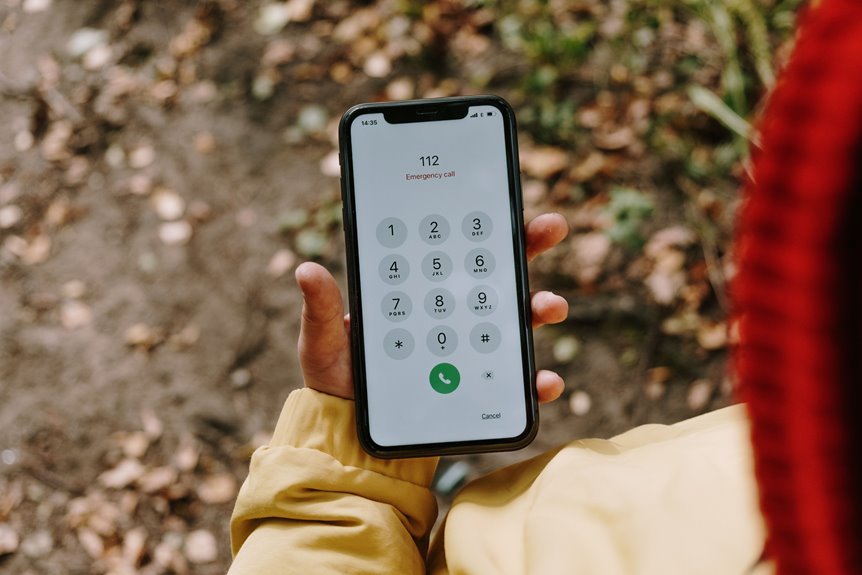
Common difficulties involving 1-866-271-9305 often include misidentification of the number, opaque auto-attendants, and occasional misrouting or dropped calls. The issue demands verification from trusted sources, careful note-taking of prompts, and a request for human assistance if loops persist. Users should document routing patterns, timing, and any anomalies, while ensuring device and network stability. Persistent problems should be escalated through authorized channels to preserve autonomy and guard against scams, inviting the reader to proceed with a careful, methodical approach.
What 1-866-271-9305 Is and Why It Matters
The number 1-866-271-9305 is a toll-free contact line commonly used by organizations to provide information, support, or services to callers. It serves as a channel for legitimate outreach and assistance.
However, untrusted sources may misrepresent it, and spoofed calls can mimic official lines. Clarity and verification prevent manipulation, fostering informed, autonomous engagement with trusted entities.
Verifying the Number to Avoid Scams
Verifying a number like 1-866-271-9305 is essential to prevent scams and protect personal information. The process emphasizes verifying callers and confirming official channels before revealing details.
Practicing scam awareness helps individuals assess caller intent, cross-check numbers with trusted sources, and avoid impulsive disclosures. Informed evaluation supports freedom by reducing risk, enabling confident, deliberate communication, and fostering safer digital interactions.
Navigating Auto-Attendants and Ring Routing Issues
Auto-attendants and ring routing can obscure direct contact with legitimate support if misinterpreted. Navigating these systems requires calm, systematic steps: verify menus, note prompts, and request human assistance when options loop.
Misrouted calls can still reach proper channels with clear navigation, explicit terms, and patient persistence. Ring routing patterns matter; document timings and retry paths to reduce friction and preserve user autonomy.
Quick Fixes to Ringing, Call Drops, and Misrouted Calls
Common quick fixes address ringing, call drops, and misrouted calls by focusing on immediate, verifiable steps. The approach emphasizes calm assessment, reproducible tests, and documented outcomes.
Quick fixes include confirming network stability, updating firmware, and redialing via alternate routes.
Ringing issues, call drops, and misrouted calls are tracked with metrics, enabling informed adjustments and sustained freedom through reliable connectivity.
Frequently Asked Questions
What to Do if You Receive Spam Calls From This Number?
If spam calls from 1-866-271-9305 occur, one should enable spam blocking, activate call screening, review privacy policy, and use motivational messaging to deter future attempts, preserving personal freedom and reducing unsolicited interruptions with calm, precise actions.
How to Report Persistent Misdials to This Number?
Zeroing in, the report is filed: misdial reporting should be submitted to the appropriate carrier or authorities, with details. It emphasizes calm, precise spam call handling, documenting times. The approach respects autonomy and legal avenues.
Can This Number Access Voicemail or Voicemail-To-Text Services?
The number can offer voicemail access and voicemail to text services in some configurations, though availability varies by provider and region. Consider spam call mitigation, misdial reporting, international calling restrictions, and privacy data protection when evaluating features.
Are There International Calling Restrictions Associated With This Number?
International restrictions exist depending on origin; voicemail access may be limited or blocked abroad. The notation notes cautious callers should verify service terms, while potential flexibility remains for compliant users seeking independent, informed, and unfettered access.
What Privacy Practices Protect Data When Calling This Line?
The line implements privacy safeguards and clear data handling practices to minimize exposure. Data is collected only as necessary, stored securely, and access is restricted. Users should review the provider’s policy for specifics on retention and disclosures.
Conclusion
The article concludes with a measured, practical reminder: verify the number from official sources, document prompts, and seek human assistance when loops persist. By noting routing patterns and timing, users can distinguish legitimate service from pitfalls. Persistently problematic calls should be escalated through authorized channels to preserve autonomy. In a nod to modernity, the guidance acknowledges smart dialers while grounding safety in verification, clear prompts, and deliberate escalation—anachronistically echoing a steady, patient, procedural ethos.