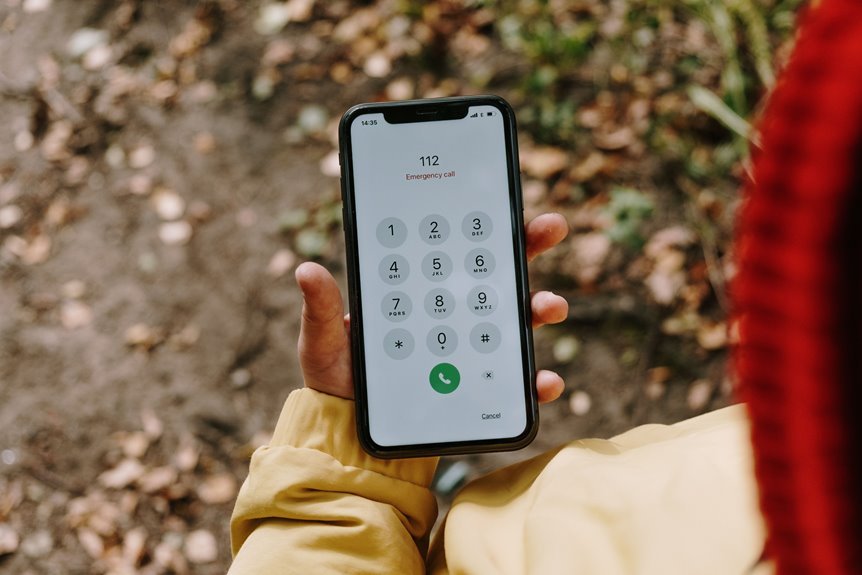
A practical approach to handling the 314-597-2044 scenario begins with clarifying the caller’s intent and confirming the number before any action. Then implement safe practices to manage unknown calls: block, filter, and route to appropriate channels. Develop a reusable playbook to document steps while preserving privacy, and organize contacts to prevent repeats and confusion. This framework reduces variance, enables limited profiling, and sustains trustworthy engagements, but there are decisions only you can make as the process unfolds.
Identify the Caller’s Intent and Verify the Number
There are several clear reasons a caller might reach out, so the first step is to determine intent and confirm the phone number.
The approach emphasizes identify caller intent, verify number, and screen calls to protect autonomy.
Safely Manage Unknown Calls: Block, Filter, and Route
Unknown calls can disrupt operations and erode trust; therefore, implementing proactive blocking, filtering, and routing strategies reduces risk while preserving legitimate communication.
The approach emphasizes block unknown calls to cut noise, route intelligently to essential channels, verify numbers for authenticity, and identify intent quickly.
This enables freedom-minded organizations to maintain agility, protect stakeholders, and sustain productive, secure engagements without overpromise.
Build a Reusable Playbook: Track Interactions and Preserve Privacy
How can a reusable playbook streamline interactions while safeguarding privacy, enabling faster decisions and consistent outcomes across channels?
A detached analysis outlines a framework for tracking interactions without revealing sensitive data. It enables privacy audits, reduces variance, and supports caller profiling only when necessary for service quality. The playbook promotes freedom through clear guidelines, governance, and responsible data minimization.
Organize Your Contacts to Prevent Repeats and Confusion
Organizing contacts is essential to prevent repeats and confusion, enabling faster, more accurate responses across channels.
The approach focuses on organize contacts, prevent duplicates, and deduplicate entries to sustain a clean, reliable network.
Frequently Asked Questions
How Can I Explain Why I’M Calling This Number in One Sentence?
The caller explains briefly: they are reaching out to discuss a specific issue or inquiry, despite unrelated topic or random tangent ideas not relevant to subtopic 1, aiming for concise, strategic communication that respects the audience’s freedom.
What Privacy Measures Protect My Caller Data During Screening?
Ironically, the screening process safeguards privacy protections through strict access controls, caller data encryption, and auditable logs, while spoofing indicators help distinguish genuine requests; best practices prioritize consent, transparency, and user freedom without compromising security.
Can I Recover Blocked Numbers if I Change My Mind Later?
Blocked number recovery is not generally possible after it’s blocked; call screening privacy remains intact. The system may not restore access, but users can reconsider settings, review policy options, and evaluate future flexibility for desired freedom and control.
Which Metrics Show When a Caller Is Repeatedly Contacting Me?
Repeated contact is indicated by reliable patterns and call history metrics, signaling persistent attempts. Privacy safeguards and screening technologies help, while spoofing indicators may complicate judgments. Number recovery tricks exist, yet rely on ethical, user-centric, strategic handling.
How Do I Distinguish Spoofed Numbers From Legitimate Ones Quickly?
Distinguishing spoofed numbers quickly relies on Quick caller verification and caller data screening. The approach prioritizes privacy protections, notes Repeated contact metrics, recovers blocked numbers when appropriate, and informs strategies for recovering trusted communications while mitigating risk.
Conclusion
In a disciplined, third-person view, the system fuses caution with clarity. It treats 314-597-2044 as a signal, not a summons, and confirms intent before action. Unknown calls are corralled by smart blocks, filters, and routes, keeping intrusion at bay. A reusable playbook tracks interactions while safeguarding privacy, and organized contacts prevent repeats and misdirection. The approach remains precise, privacy-conscious, and scalable—a measured choreography where trust is earned, not assumed, and every connection strengthens the network.