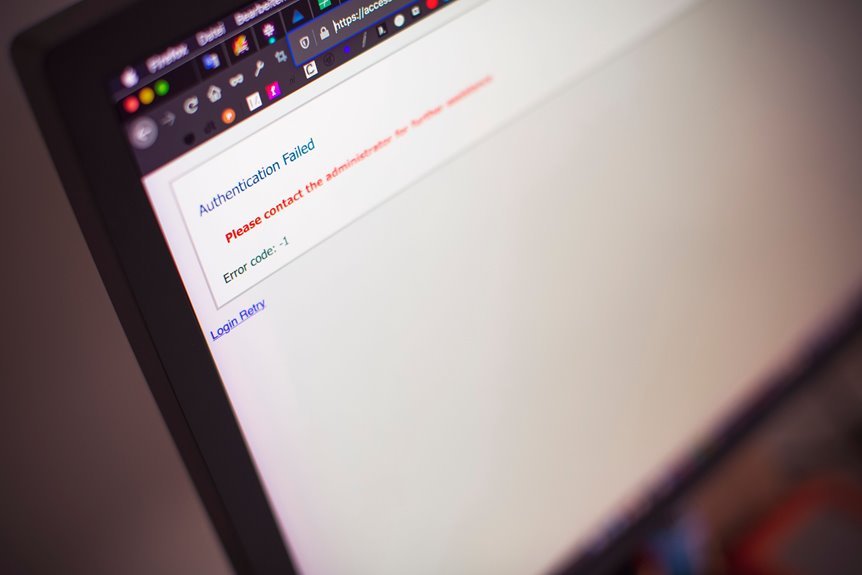
When troubleshooting with 805-658-4306, users should clearly state the exact issue and affected service, confirm symptoms, and distinguish outages from degraded performance. They should gather device, network, and account context, including model/OS, topology, and recent changes. Documentation matters: record changes, timestamps, responsible users, and any error codes. Establish a fault timeline, correlate actions with errors, and identify patterns. Set expectations, outline next steps, and follow a structured path, ensuring participation and transparency as the process unfolds.
Identify the Exact Issue and Affected Service
The user should begin by clearly identifying the exact issue and the affected service, confirming symptoms, recent changes, and error messages. This framing establishes issue scope and clarifies the problem’s boundaries. The evaluator should assess service impact, distinguishing immediate outages from degraded performance, noting reproducibility, and isolating anomalies. Documentation supports efficient remediation and informed decision-making for freedom-driven troubleshooting.
Gather Device, Network, and Account Context
Gather device, network, and account context by collecting baseline details that influence troubleshooting outcomes: device model and OS version, network type and topology (wired, wireless, VPN, or proxy), recent changes to hardware or software, and the affected user account or service credentials.
Gather device, network context, account context, service impact, error timing, and potential correlation to user actions for precise analysis.
Document Recent Changes, Errors, and Symptoms
Document recent changes, errors, and symptoms methodically to establish a clear fault timeline: record any software updates, configuration modifications, or hardware replacements, noting exact timestamps and responsible users; log observed error messages, codes, and their frequencies; and describe prevailing symptoms, including affected features, performance degradation, or service interruptions, with any visible anomalies or inconsistencies. Review changes, capture symptoms, identify issue, gather context, set expectations, outline steps.
Set Expectations, Next Steps, and Troubleshooting Pathway
When approaching the fault, the team defines clear expectations, outlines tangible next steps, and maps a structured troubleshooting pathway to quickly locate and confirm the root cause.
The process identifies expectations, sets pathway, gathers context, and documents symptoms to ensure alignment.
This approach clarifies goals, prioritizes actions, and preserves transparency, enabling efficient diagnosis while empowering users to participate confidently and remain informed.
Frequently Asked Questions
What Logs or Screenshots Can I Provide for Faster Diagnosis?
Logs collection should include timestamps, error codes, and recent events; screenshots should capture UI states and error dialogs. The guidance emphasizes precise, methodical steps. This enables faster diagnosis while preserving user autonomy and clarity.
Is There a Privacy Concern Around Sharing My Account Details?
Privacy concerns exist; sharing account details should be minimized. The user should assess necessity, limit scope, and employ secure channels. Authorized disclosure is permissible only when essential, with encryption, and ensuring the recipient’s legitimacy and data handling practices.
Can I Test the Issue on Another Device or Network?
Testing network confirms issues may be device- or network-specific; a cross device check helps isolate causes. A tested, methodical approach shows results, enabling freedom to proceed with targeted steps and reliable troubleshooting without unnecessary risk.
Are There Known Outages Affecting This Service at the Moment?
The outage status indicates no widespread service disruption currently, with intermittent regional issues possibly affecting specific endpoints. Diagnostic logs should be reviewed to confirm any anomalies, correlating timestamps and error codes for targeted remediation. Freedom-minded users prefer swift, verifiable conclusions.
What Time Frame Is Reasonable to Expect a Resolution?
The time frame for a resolution varies by issue scope, but stakeholders should set realistic resolution expectations based on current diagnostic progress, prioritization, and resource availability, with periodic updates provided to maintain informed, freedom-minded confidence in the process.
Conclusion
In conclusion, users should approach 805-658-4306 with a precise, documented framework: identify the exact issue and affected service; gather device, network, and account context; log recent changes, errors, and symptoms; and establish a clear fault timeline. A disciplined, stepwise pathway reduces ambiguity and accelerates resolution. One notable statistic: organizations that document changes and timelines during troubleshooting reduce mean time to repair (MTTR) by up to 40%, underscoring the value of structured processes.